
As the cooperation between China and Latin America enters the strategic level, legal cooperation becomes more important day by day. Legal issues are the primary risks that Chinese enterprises face when entering Latin America, and those countries are likewise concerned about legal problems while working with China.
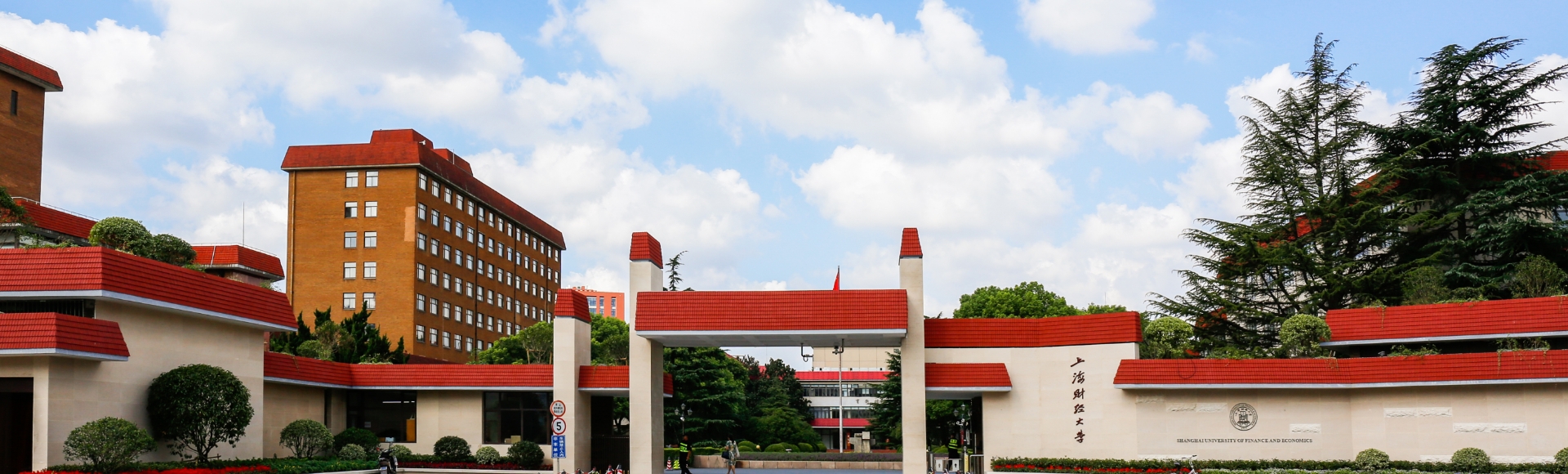
To reduce those concerns and better serve businesses and individuals on both sides, China Law Society and Shanghai University of Finance and Economics jointly established a China-Latin America Legal Research Center and China-Latin America Legal Training Base in Shanghai.
"China is implementing the rule of law in all fields. The economic, political and social activities in the country will eventually all be regulated by law. It is also a trend that the relations between countries and districts will be regulated by law," said Zhang Mingqi, vice president of China Law Society.
According to Zhang, the China-Latin America Legal Research Center and China-Latin America Legal Training Base will carry out systematic research on the laws of Latin American countries, cultivate legal talents for the strategic think tank on China-Latin America legal relations, further the legal cooperation between China and Latin America, and provide legal service for the cooperation.
Active legal cooperation
Legal collaboration is a vital part of China-Latin America cooperation. Since 2007, seven China-Latin America Legal Forums have already been held in China and Latin America with over 750 attendants. China and the CELAC (Comunidad de Estados Latinoamericanos y Caribeños, translated as Community of Latin American and Caribbean States) held their first China-CELAC Forum ministerial meeting in January 2015.
In the China-Latin American Countries and Caribbean States Cooperation Plan (2015-2019) published during the meeting, the two sides decided to encourage interaction between judicial institutions from China and the region. They will continue the China-Latin America Legal Forum on a regular basis under the umbrella of the China-CELAC Forum.
"China and Latin American countries are all developing countries actively participating in the reform of the global governance system. The enhanced legal cooperation between China and Latin America will help both parties in the participation of making international rules, and improve their influence in international legal affairs," Chen Xu, President of Shanghai Law Society commented.
Furthermore, the Chinese government signed a series of agreements and contracts to stimulate legal cooperation, tourism and people-to-people exchanges with Latin American countries. It signed agreements in legal assistance with seven Latin American countries including Mexico, Argentina and Brazil. Extradition treaties were signed by China with five countries including Argentina, Chile and Peru. China has also signed agreements on visa exemption to holders of diplomatic, official and service passports with 20 Latin American countries.
"Since 2015, Chinese citizens with valid visas to the United States or the Schengen Area or permanent residence with at least six months of validity in the Schengen Area can enter Colombia without applying for visa from Colombian embassies and consulates," said Camila Gomez Hormaza, Consul of Colombia in Shanghai.
Chinese government is currently working with several CELAC countries in signing bilateral agreements on visa exemption to holders of regular passports.
Thirdly, legal cooperation between the two sides brought additional convenience to trade and economic cooperation. China has signed agreements with 15 Latin American countries to encourage and protect investments. It has signed agreements with eight Latin American countries to avoid double taxation. To facilitate trade, China signed free trade agreements with Chile, Peru, and Costa Rica.
Comprehensive strategic partnerships
Latin America and the Caribbean are regions with the most developing countries and emerging economies. The political situation is generally stable, and the economies continue to grow. The international status and comprehensive strength of this region keeps improving.
Although China is on the other side of the globe from Latin America, it is becoming one of the region's closest Asian partners. Chinese president Xi Jinping has visited Latin America twice thus far. In May, premier Li Keqiang visited four Latin American countries, further deepening ties. Almost all leaders of the Latin American countries have visited China.
In people and cultural exchanges, China has promised to provide 6,000 governmental scholarships, 6,000 training opportunities and 400 opportunities for on-the-job master's degree programs to CELAC countries in the next five years. Next year is announced to be "China Latin-America cultural year." Numerous cultural activities will be organized for people from both sides to know better about each other and cooperate on this base.
Trade and economic cooperation keeps growing as well. In 2014, the trade volume between China and Latin America reached $263.6 billion. Chinese direct investment in Latin America amounted to $98.9 billion. In the first half of this year, the trade volume between the two parties has declined, but the bilateral trade volume between China and several Latin American countries still increased. For example, the trade volume between China and Ecuador increased 20 percent, and exports from Ecuador to China grew 50 percent.
"In the long run, the trade relations between China and Latin America will not stop. We are confident in the future of China-Latin America economic relations," said Zhang Run, counselor of the Department of Latin American and Caribbean Affairs of China's Ministry of Foreign Affairs.
